
Fried Chicken Fries Recipe for Extra-Crunchy
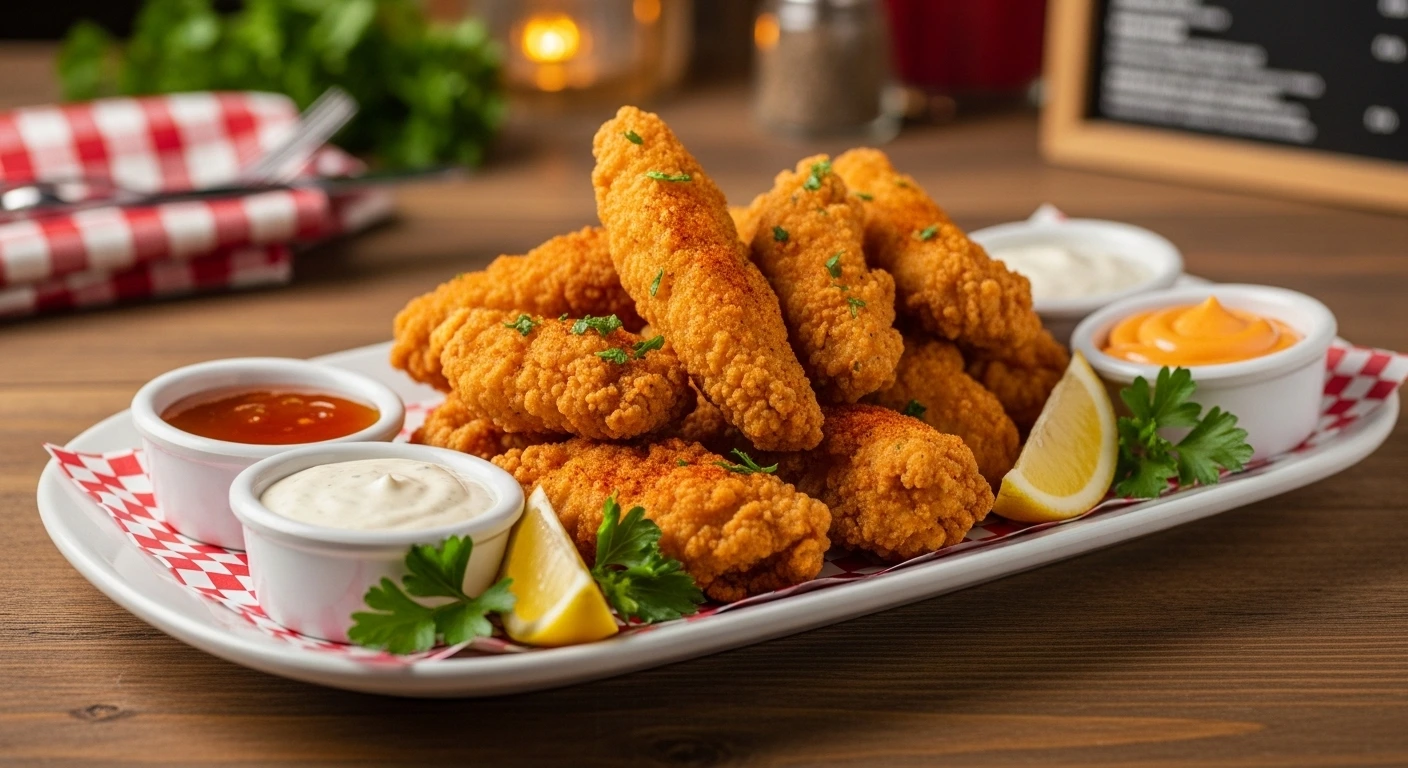
Table of Contents
Introduction to the Fried Chicken Fries Recipe
Let’s be honest—there’s something wildly satisfying about food that’s shaped like fries but tastes like fried chicken. That’s exactly why this fried chicken fries recipe has become such a crowd-pleaser. It takes everything we love about classic fried chicken—juicy meat, bold seasoning, and that unmistakable crunch—and transforms it into fry-shaped perfection that’s easier to dip, snack on, and share.
Unlike traditional chicken strips or nuggets, chicken fries are thinner, crispier, and cook faster. Every bite delivers more crunch and less bread-heavy bulk. If regular fried chicken is a comfort food hug, chicken fries are that same hug—but with sneakers on and ready to party.
This recipe is all about extra crunch. Not just “kind of crispy,” but the kind of crunch you hear before you even taste it. The kind that rivals fast-food favorites while staying homemade, fresh, and customizable. And yes, we’re talking about a coating technique inspired by everything from korean fried chicken recipe methods to Southern-style chicken fried chicken recipe traditions.
If you’ve ever wondered how to make chicken fries that don’t turn soggy, bland, or greasy, you’re in the right place. This guide breaks it all down—step by step—so you get restaurant-style results without restaurant prices.
Why You’ll Love This Extra-Crunchy Fried Chicken Fries Recipe
There are plenty of chicken recipes out there, but this one hits differently. Here’s why this fried chicken fries recipe deserves a permanent spot in your rotation.
First, the texture is unbeatable. Thanks to a carefully balanced coating of flour and cornstarch, plus a double-dredging method, these chicken fries come out shatteringly crisp on the outside while staying tender and juicy inside. No dry chicken. No thick, doughy crust.
Second, it’s incredibly versatile. These chicken fries work just as well for a game-day snack as they do for a casual dinner. Serve them with classic dipping sauces, tuck them into wraps, or pile them onto a platter with fries and slaw. They even pair surprisingly well with sides inspired by comfort classics like a chicken fried steak recipe meal.
Third, it’s approachable. You don’t need fancy equipment or professional training. If you can slice chicken and heat oil, you can make this recipe. And because everything is made from scratch, you control the seasoning, salt level, and spice.
Most importantly, this recipe scratches that fast-food itch without actually being fast food. If you love the idea of crispy chicken fries but want something fresher and more flavorful than frozen options—or even something that competes with a chick fil a waffle fries recipe combo—this homemade version delivers.
Ingredients for the Best Fried Chicken Fries Recipe
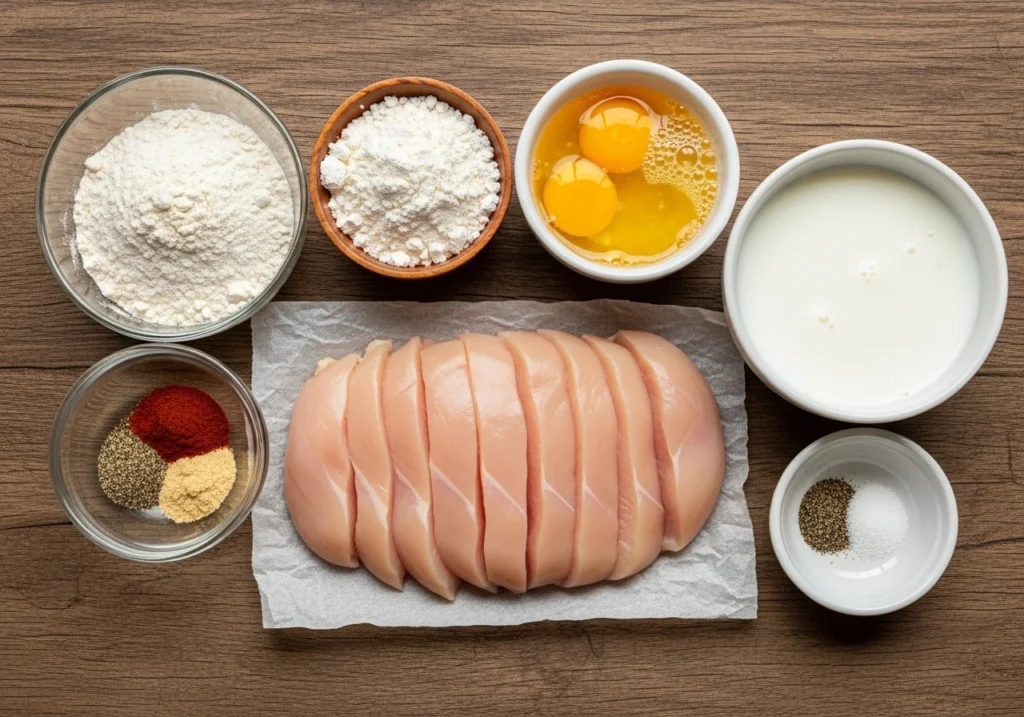
Great results start with the right ingredients. The beauty of this fried chicken fries recipe is that it relies on simple pantry staples, but each one plays an important role in achieving that extra-crunchy finish.
Chicken
Boneless, skinless chicken breast is the best choice here. It’s lean, easy to slice into uniform fry-shaped strips, and cooks quickly. Cutting the chicken evenly ensures all the fries cook at the same rate, which means no dry pieces and no undercooked centers.
Buttermilk
Buttermilk is the secret to tender chicken. It gently breaks down the proteins while adding a subtle tang that balances the seasoning. This step is borrowed straight from classic Southern fried chicken and chicken fried chicken recipe techniques.
Egg Wash
Eggs help the coating stick. Think of them as the glue between the chicken and that crunchy outer layer.
Flour and Cornstarch
This is where crunch is born. All-purpose flour provides structure, while cornstarch creates lightness and crispness. This combination is also a hallmark of korean fried chicken recipe styles, known for their ultra-crunchy texture.
Seasonings
A bold seasoning blend is essential. Paprika adds warmth and color, garlic powder brings savory depth, black pepper adds bite, and salt ties everything together. You can adjust heat levels, but don’t skimp on seasoning—bland coating is the fastest way to disappointment.
Frying Oil
Choose a neutral oil with a high smoke point, such as vegetable oil or canola oil. Clean oil and proper temperature make the difference between golden crispness and greasy sogginess.
Kitchen Tools You’ll Need
You don’t need a professional kitchen to pull this off, but a few tools will make the process smoother and the results more consistent.
A heavy-bottomed skillet or cast iron pan is ideal for frying because it holds heat well and keeps oil temperature steady. A kitchen thermometer is strongly recommended; maintaining the right oil temperature is one of the biggest factors in achieving extra-crunchy chicken fries.
You’ll also want a wire rack set over a baking sheet. Draining fried chicken fries on a rack instead of paper towels prevents steam from softening the crust. Paper towels still have their place, but the rack is where crunch survives.
Basic tools like mixing bowls, tongs, and a sharp knife round out the setup. Simple tools, big payoff.
Step-by-Step Fried Chicken Fries Recipe Instructions
This is where everything comes together. Follow these steps carefully, and you’ll end up with chicken fries that are crispy, golden, and impossible to stop eating.
Step 1: Prepare the Chicken
Slice the chicken breasts lengthwise into thin, fry-shaped strips. Aim for uniform thickness so everything cooks evenly. Think French fry size—not too thick, not paper-thin.
Step 2: Marinate in Buttermilk
Place the chicken strips in a bowl and pour in enough buttermilk to fully coat them. Cover and let them marinate for at least 30 minutes. If you have time, an hour is even better. This step locks in moisture and flavor.
Step 3: Set Up the Breading Station
In one bowl, beat the eggs. In another bowl, combine flour, cornstarch, paprika, garlic powder, salt, and black pepper. Mix thoroughly so every bite is seasoned evenly.
Step 4: Double Dredge for Extra Crunch
Remove the chicken from the buttermilk and let excess drip off. Dip each piece into the flour mixture, then into the egg wash, and back into the flour mixture again. This double coating creates layers that fry up into a thick, crunchy crust.
Step 5: Heat the Oil
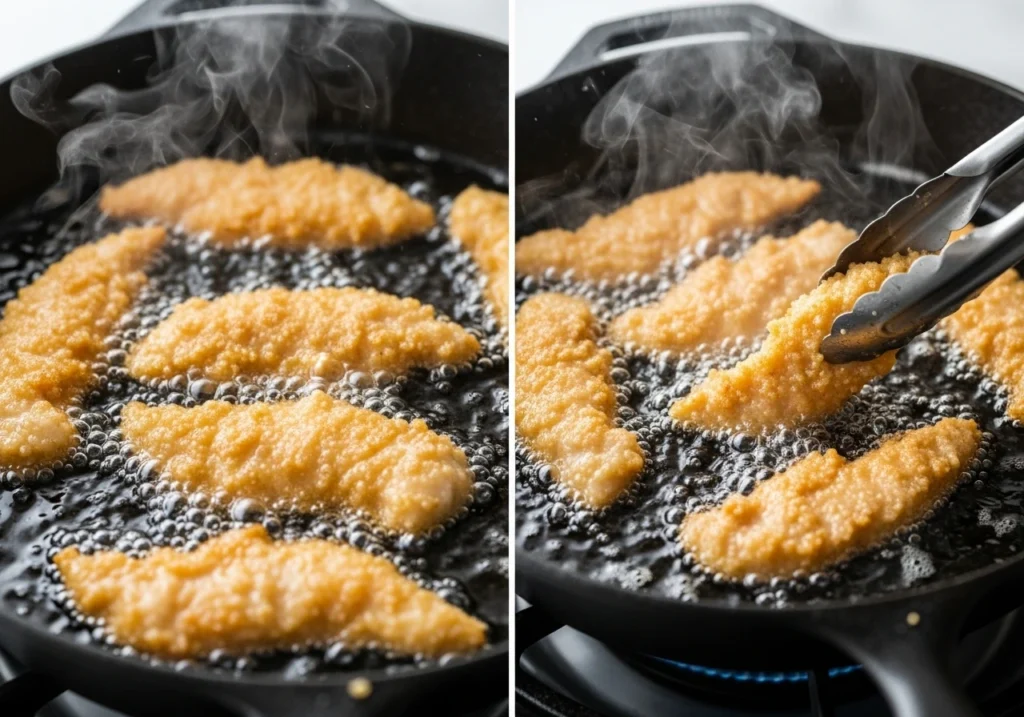
Heat oil in your skillet to around 350°F. Too cool, and the chicken absorbs oil. Too hot, and the coating burns before the chicken cooks through. Temperature control is everything.
Step 6: Fry to Golden Perfection
Fry the chicken fries in batches, making sure not to overcrowd the pan. Cook until golden brown and crisp, turning occasionally for even cooking. Transfer to a wire rack to drain.
At this point, you’ll already hear that crunch when you tap one with tongs—and that’s how you know you’re on the right track.
Secrets to Making Chicken Fries Extra Crunchy
If there’s one thing that separates average chicken fries from unforgettable ones, it’s crunch. Not surface-level crispiness, but a deep, lasting crunch that holds up from the first bite to the last. The good news? Crunch isn’t magic—it’s technique.
The first secret is cornstarch. While flour provides structure, cornstarch is what delivers that light, brittle texture that shatters when you bite into it. This is why cornstarch is heavily used in korean fried chicken recipe methods. It fries up drier and crispier than flour alone.
The second secret is double dredging. That extra dip through the flour mixture isn’t just for thickness—it creates microscopic layers. When those layers hit hot oil, steam forms between them, puffing the coating and locking in crunch.
Oil temperature is another non-negotiable. Frying at the right temperature—around 350°F—ensures the coating crisps quickly before oil can seep in. Think of it like searing a steak: high heat builds a crust that protects what’s inside.
Finally, don’t skip the resting rack. Draining chicken fries on paper towels traps steam, which softens the crust. A wire rack allows air to circulate, preserving that extra-crunchy finish.
When all these elements come together, this fried chicken fries recipe delivers crunch that rivals fast food—and often beats it.
Flavor Variations Inspired by Popular Recipes
One of the best things about chicken fries is how adaptable they are. The base recipe is solid, but you can easily tweak flavors to suit different cravings or cuisines.
Korean-Inspired Crunch
Borrowing techniques from a classic korean fried chicken recipe, you can add a touch of rice flour to the coating or finish the fries with a light glaze made from garlic, soy sauce, and a hint of sweetness. The result? Crispy fries with bold, addictive flavor.
Southern Comfort Style
If you love hearty comfort food, take cues from a chicken fried chicken recipe. Add onion powder, a pinch of cayenne, and extra black pepper to the flour mix. This creates a flavor profile similar to chicken-fried steak but lighter and more snackable.
Steakhouse-Inspired Seasoning
Inspired by a chicken fried steak recipe, you can season the fries with cracked pepper and serve them alongside creamy gravies or pepper sauces. It’s indulgent, nostalgic, and surprisingly elegant for something shaped like fries.
These variations prove that chicken fries aren’t a one-note dish—they’re a canvas.
Fried Chicken Fries vs Popular Fast-Food Styles
It’s impossible to talk about chicken fries without comparing them to fast food. After all, that’s where many of us first fell in love with the idea.
Fast-food chicken fries are convenient, but they’re often pre-fried, frozen, and reheated. That’s where homemade versions win. With this fried chicken fries recipe, you control the freshness, seasoning, and crunch.
Take the iconic chick fil a waffle fries recipe as an example. While waffle fries are crispy and beloved, they’re still potatoes. Chicken fries bring protein, richness, and heartiness to the table. When paired together, they’re unstoppable—but on their own, chicken fries hold their ground.
Homemade chicken fries also allow customization. Want more spice? Add it. Want lighter breading? Adjust it. Fast food doesn’t offer that flexibility.
And let’s talk cost. Making chicken fries at home is far more economical, especially when feeding a family or hosting guests.
Serving Suggestions for Fried Chicken Fries
Chicken fries shine on their own, but the right accompaniments can turn them into a full-blown experience.
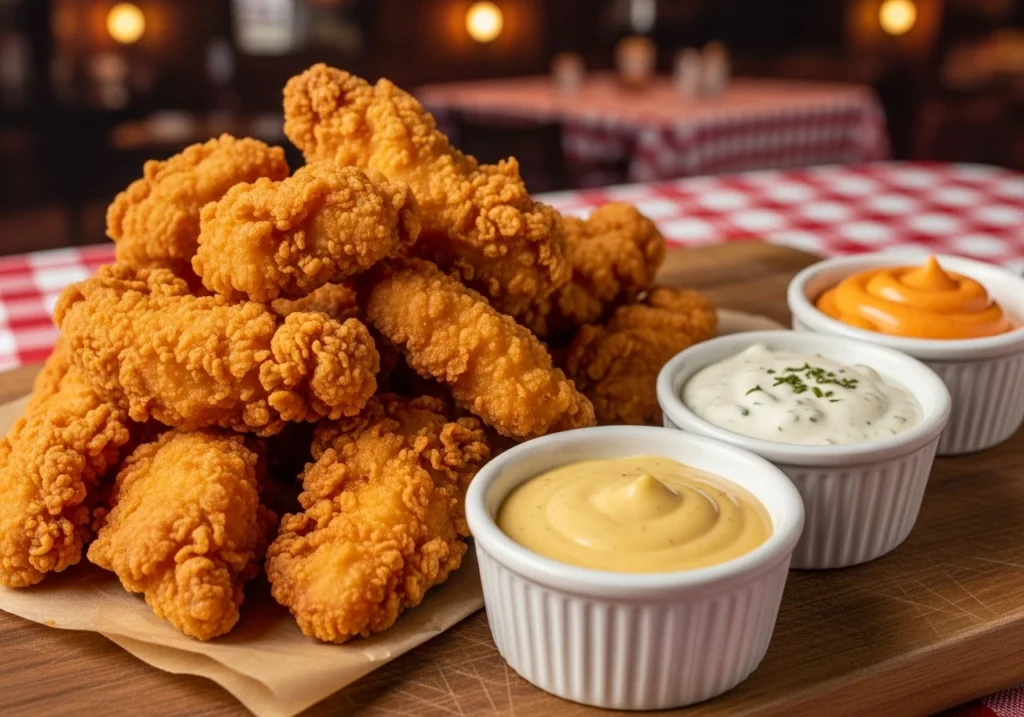
Classic dipping sauces are always a hit—think honey mustard, ranch, barbecue sauce, or spicy mayo. For a bolder twist, try garlic aioli or sweet chili sauce.
As a meal, chicken fries pair beautifully with coleslaw, simple salads, or even a side inspired by steakhouse comfort food. They also work surprisingly well tucked into wraps or served slider-style.
Hosting a party? Arrange chicken fries on a platter alongside fries inspired by a chick fil a waffle fries recipe concept. The contrast between crispy potatoes and crunchy chicken is irresistible.
Storage, Reheating, and Make-Ahead Tips
While chicken fries are best fresh, leftovers can still shine if handled correctly.
Store cooled chicken fries in an airtight container in the refrigerator for up to three days. To reheat, skip the microwave—it softens the crust. Instead, use an oven or air fryer to restore crispiness.
If you want to prep ahead, bread the chicken fries and freeze them uncooked. Fry straight from frozen, adding a minute or two to the cooking time. This makes weeknight meals incredibly convenient.
FAQs About Fried Chicken Fries Recipe
Can I make this fried chicken fries recipe ahead of time?
Yes. Bread the chicken in advance and refrigerate or freeze until ready to fry.
What oil works best for frying?
Neutral oils with high smoke points, such as vegetable or canola oil, are ideal.
How do I keep chicken fries crispy longer?
Maintain oil temperature, avoid overcrowding, and drain on a wire rack instead of paper towels.
Final Thoughts on This Fried Chicken Fries Recipe
This fried chicken fries recipe proves that comfort food doesn’t have to be complicated. With the right techniques—double dredging, cornstarch coating, and proper frying—you can achieve extra-crunchy results that rival restaurant favorites.
Whether you draw inspiration from a korean fried chicken recipe, a chicken fried chicken recipe, or even classic steakhouse flavors, these chicken fries adapt beautifully. They’re casual, crave-worthy, and endlessly customizable.
Once you master this recipe, you’ll find yourself reaching for it again and again—for snacks, dinners, parties, and everything in between. Crunch like this has a way of becoming unforgettable.
Related Recipes You’ll Love
Healthy Turkey Meatball Recipe
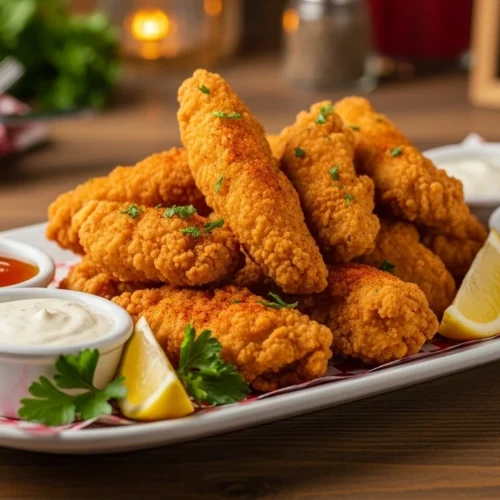
Fried Chicken Fries Recipe for Extra-Crunchy
Ingredients
For the Chicken Fries
- 1 lb boneless skinless chicken breast, cut into fry-shaped strips
- 1 cup buttermilk
- 2 large eggs
For the Crunchy Coating
- 1 cup all-purpose flour
- ½ cup cornstarch
- 1 teaspoon paprika
- 1 teaspoon garlic powder
- ½ teaspoon black pepper
- 1 teaspoon salt
For Frying
- Vegetable oil or canola oil for deep frying
Instructions
- Slice the chicken breasts lengthwise into thin, fry-shaped strips and set aside.
- Place the chicken strips in a bowl and pour the buttermilk over them, making sure all pieces are coated. Let marinate for at least 30 minutes.
- In a shallow bowl, whisk the eggs until smooth.
- In another bowl, mix the flour, cornstarch, paprika, garlic powder, salt, and black pepper.
- Remove the chicken from the buttermilk, letting excess drip off. Dredge each piece in the flour mixture.
- Dip the floured chicken into the egg wash, then dredge again in the flour mixture to create a double coating.
- Heat oil in a deep skillet or cast iron pan to 350°F (175°C).
- Fry the chicken fries in batches, without overcrowding, until golden brown and crispy, about 3–4 minutes per batch.
- Remove the chicken fries and place them on a wire rack to drain excess oil.
- Serve hot with your favorite dipping sauces.
Notes
- Double dredging is the key to achieving extra-crunchy chicken fries.
- Use a kitchen thermometer to maintain proper oil temperature for best results.
- Let fried chicken fries rest on a wire rack instead of paper towels to keep them crispy.
Review Our Recipe: Your Feedback Makes a Difference
There are no reviews yet. Be the first one to write one.