
The Only Garlic Butter Shrimp Pasta Recipe You’ll Ever Need
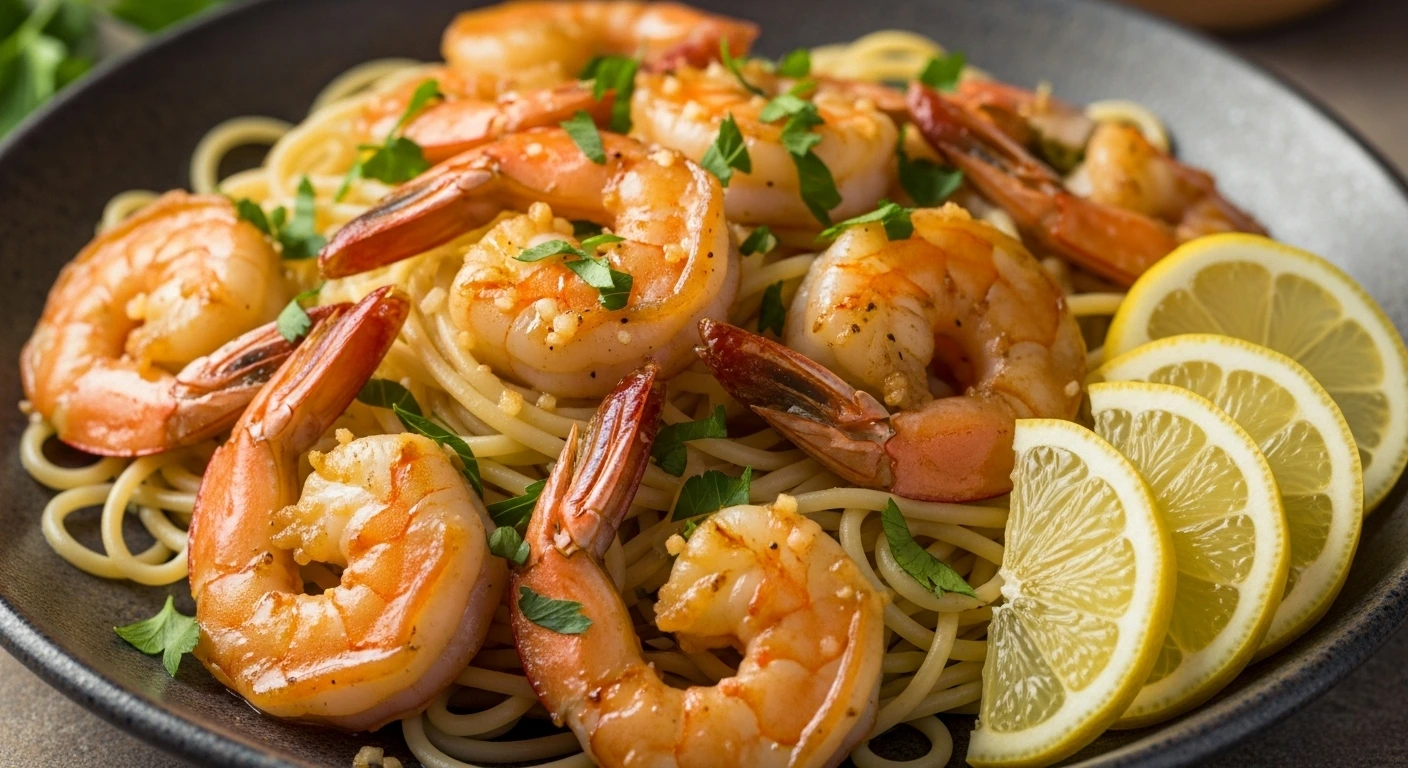
Table of Contents
Introduction to the Best Garlic Butter Shrimp Pasta
If dinner could wear a tuxedo and still feel like your favorite sweatpants, this garlic butter shrimp pasta would be it. Imagine tender, juicy shrimp bathed in a glossy, garlicky butter sauce that clings to every strand of pasta — simple, comforting, and utterly irresistible. That’s the promise of garlic butter shrimp pasta: restaurant-quality flavor without the fuss.
Why does this dish command so much love? For starters, it hits several comfort-food sweet spots at once: savory butter, punchy garlic, bright lemon, and the sweet, briny pop of shrimp. It’s fast, flexible, and feels special even on a weeknight. Whether you call it garlic butter shrimp, garlic butter shrimp with pasta, or spin it into garlic butter shrimp noodles, this recipe is a blank canvas for flavor and a lifesaver when you need dinner in under 30 minutes.
In this first part of the article, we’ll walk through why this recipe is a keeper, the key ingredients that make it sing, and the kitchen tools that save your time and sanity. We’ll also begin the step-by-step process so you can jump into the kitchen and start cooking with confidence.
Why You’ll Love This Garlic Butter Shrimp with Pasta
What’s so special about this garlic butter shrimp recipe? Here are a few reasons that will convince even the most indecisive cook to try it tonight:
- Speed — From pan to plate in about 20–30 minutes. This is genuine weeknight gold.
- Simplicity — A handful of pantry staples—garlic, butter, olive oil, lemon, parsley—and you’re there. No obscure sauces or long prep.
- Versatility — Use spaghetti, linguine, fettuccine, or even rice noodles to turn it into garlic butter shrimp noodles. Want a creamy twist? Add a splash of cream and some Parmesan. Want lighter? Use extra lemon and a touch less butter.
- Beginner-friendly — If you can sauté and boil pasta, you can make this. The technique is forgiving and easy to tweak.
- Crowd-pleaser — It looks and tastes like effort went into it, making it ideal for guests or a cozy dinner with someone special.
Think of this dish as a trusty friend: reliable, always there when you need comfort and never asking for much in return. It’s the kind of recipe that grows on you — slight tweaks over time turn it into your signature version.
Key Ingredients for the Garlic Butter Shrimp Pasta
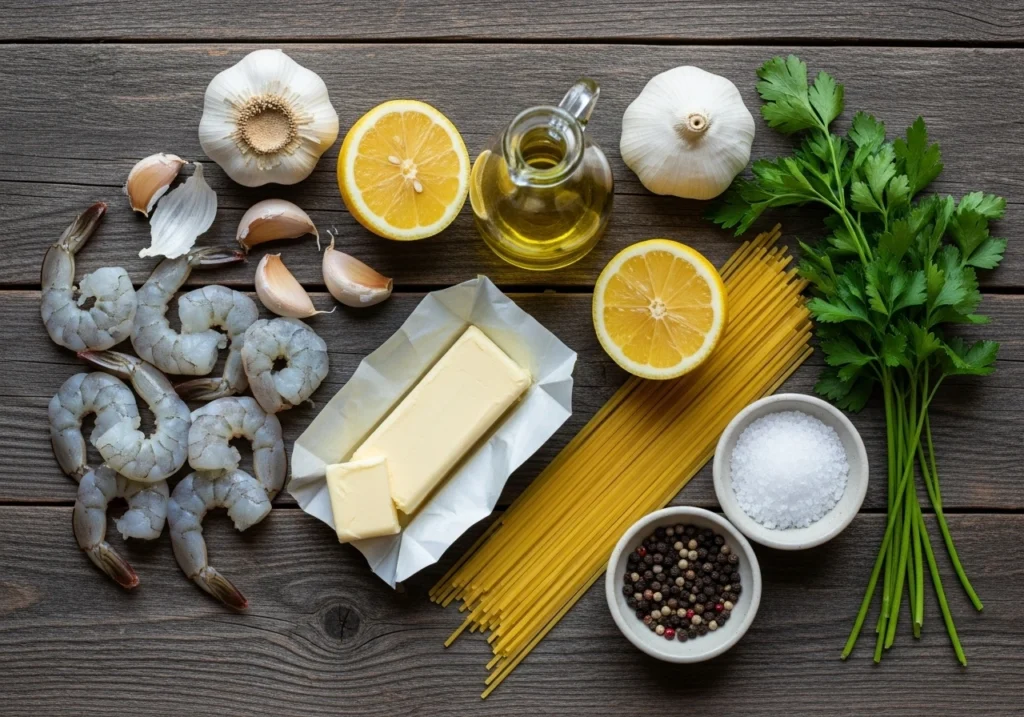
To make a dish that tastes layered and balanced, quality matters, but you don’t need gourmet items. Here’s the breakdown of what to use and why:
| Ingredient | Role in the dish |
|---|---|
| Shrimp (16–20 count, peeled & deveined) | Main protein — quick-cooking, sweet, and tender. |
| Pasta (spaghetti, linguine, or noodles) | The vehicle for sauce; choose something that holds sauce well. |
| Butter (unsalted) | Provides richness and that glossy mouthfeel. |
| Garlic (4–6 cloves, minced) | The star aromatic — sharp and savory. |
| Olive oil | Prevents butter from burning, adds flavor depth. |
| Lemon juice & zest | Brightens and balances the butter. |
| Fresh parsley (chopped) | Fresh herb finish for color and freshness. |
| Parmesan cheese (optional) | Adds umami and creaminess if using. |
| Red pepper flakes | Optional heat — a pinch can elevate flavor. |
| Salt & black pepper | Essential seasonings; taste and adjust. |
| Pasta water | Magic emulsifier that brings sauce and pasta together. |
Notes on choosing shrimp
Frozen shrimp are perfectly fine — thaw them in the fridge or under cold running water and pat them dry before cooking. Bigger shrimp (16–20 count per pound) give you a meaty bite, but smaller shrimp work, too. Fresh shrimp, when available, are fantastic — but don’t stress over it. The most important step is drying the shrimp so they brown instead of steam.
Pasta matters — but not too much
Spaghetti and linguine are classic because they wrap the sauce nicely. If you want to make garlic butter shrimp noodles, feel free to use broader noodles or even rice noodles for a gluten-free twist. The key is to cook to al dente and reserve pasta water before draining.
Kitchen Tools Needed
You don’t need a full professional kitchen to pull this off. A small set of reliable tools will make the process smoother:
| Tool | Why you need it |
|---|---|
| Large skillet or sauté pan (preferably nonstick or stainless steel) | For sautéing shrimp and making the sauce. |
| Large pot | For boiling pasta. |
| Colander | For draining pasta. |
| Tongs | To toss pasta with sauce and plate the shrimp. |
| Measuring spoons & cups | For accurate seasoning. |
| Microplane or zester | For lemon zest (optional but great). |
| Wooden spoon or silicone spatula | For gentle stirring without scratching pans. |
| Knife & cutting board | For prepping garlic, parsley, and lemon. |
A heavy-bottomed skillet helps distribute heat evenly, reducing hotspots that burn butter or garlic. If you have a splash guard or lid handy, it can tame occasional splatter when the pasta water is added to the sauce.
How to Make Garlic Butter Shrimp Pasta — Step-by-Step (Start)
Now let’s get practical. Below is the start-to-finish game plan in clear stages. In this first part, we’ll cover prep, cooking the pasta, and starting the shrimp — the quick, decisive moves that set the tone for a flawless dish.
Prep (10 minutes)
- Thaw and dry shrimp: Pat shrimp completely dry with paper towels. Moisture is the enemy of a good sear.
- Mince garlic: Fresh garlic is powerful; mince or press 4–6 cloves.
- Zest and juice the lemon: Zest first, then juice. Keep the zest separate—little lemon bits are flavor boosters.
- Chop parsley: Fresh parsley brightens the heavy butter flavors.
- Measure butter and oil: Have 2–4 tablespoons of butter and 1–2 tablespoons of olive oil ready.
Cook the pasta (timing is everything)
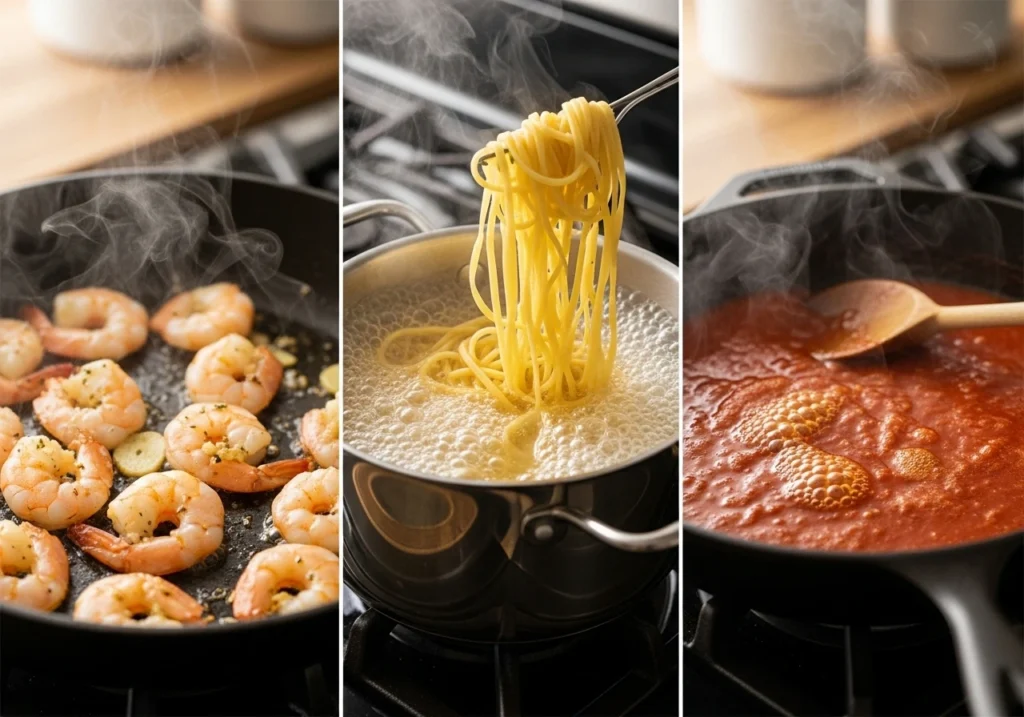
Bring a large pot of salted water to a boil. Add your chosen pasta and cook to al dente — usually 1–2 minutes less than package instructions if you plan to finish in the sauce. Before draining, reserve 1 cup of pasta water; this starchy water is a secret weapon for making a silky sauce.
Why save pasta water? It contains starch that acts like glue, helping butter and juices cling to the pasta and creating a glossy, rich sauce without needing heavy cream.
Sear the shrimp (the first crucial flavor step)
Heat your skillet over medium-high heat. Add olive oil and a tablespoon of butter (this prevents burning and adds depth). When the fat shimmers, add shrimp in a single layer. Don’t crowd the pan — cook in batches if necessary. Sear 1–2 minutes per side until opaque and golden. Season lightly with salt and pepper while cooking.
Overcooked shrimp become rubbery, so watch closely. The moment they curl and turn firm, they’re done. Remove shrimp to a plate and cover lightly — they’ll finish in the sauce later.
Build the garlic butter sauce (base of the dish)
Lower the heat to medium. Add the remaining butter to the skillet along with minced garlic. Stir gently — garlic cooks fast and can burn; you want it fragrant and slightly golden, not bitter. Add a pinch of red pepper flakes if you like heat. Once garlic is fragrant (30–45 seconds), add a splash of the reserved pasta water and a squeeze of lemon juice. The water and butter will emulsify into a silky, slightly thickened sauce.
At this stage, the kitchen will smell irresistible — bright garlic, warm butter, and lemony freshness mingling. That aroma is the prelude to what becomes garlic butter shrimp with pasta once combined.
Bringing It All Together: Finishing the Garlic Butter Shrimp Pasta
Now that the pasta is cooked, the shrimp are beautifully seared, and your garlic butter sauce is ready, it’s time to unite everything in one glorious skillet. This is where the magic happens — the final steps that turn simple ingredients into the irresistible dish known as garlic butter shrimp pasta.
Combine the Pasta with the Sauce
With your skillet still on medium heat, add your drained pasta directly into the garlic butter sauce. Use tongs to gently toss the pasta so every strand begins to soak up the butter, garlic, and lemon. The pasta will start absorbing flavor immediately, making each bite taste like it spent hours simmering in sauce when, in reality, it only takes a minute or two.
At this moment, don’t worry if the sauce looks a little thin. Pasta is thirsty, and once you toss everything together, it will tighten up as the starch from the pasta water works its magic. This is why reserving pasta water was important — a splash here and there helps you control the consistency and keeps the sauce silky.
Return the Shrimp to the Pan
Add the shrimp back into the skillet. Their juices (the little puddle left on the plate) carry extra flavor — don’t waste it. Pour that right in. Toss again to coat the shrimp evenly with the garlic butter sauce.
Now you have the full dish coming together: succulent shrimp, buttery garlic sauce, lemon brightness, and pasta that pulls everything into harmony.
Taste and Adjust
Seasoning is never a one-size-fits-all situation. Taste the pasta. Does it need more lemon? A pinch of salt? A crack of pepper? Maybe an extra knob of butter for richness? Adjusting these small elements turns a good garlic butter shrimp recipe into a great one.
If you want a silkier feel, add another tablespoon of pasta water. If you want more depth, grate in a bit of Parmesan or toss in some fresh parsley for color. Think of this stage as your chance to leave your signature on the dish.
Expert Tips for the Best Garlic Butter Shrimp Noodles
While this dish is incredibly simple, a few tips can make your garlic butter shrimp noodles taste like something you’d order at a top-tier restaurant.
1. Don’t Overcook the Shrimp
Shrimp cook fast — unbelievably fast. They only need 1–2 minutes per side to turn pink and opaque. If they curl tightly into a “C” shape, they’re done. If they curl into an “O,” they’re overdone. Keeping your heat controlled and watching for those visual cues prevents rubbery shrimp.
2. Build Flavor in Layers
Start with butter and oil to prevent burning, then add garlic once the pan has calmed down. Follow with lemon and pasta water to create an emulsified sauce. This layering process ensures your sauce isn’t simply melted butter — it becomes something more complex and deeply flavorful.
3. Let the Pasta Finish in the Sauce
Finishing pasta in the sauce is a classic restaurant technique for a reason. It creates that glossy, cohesive finish that screams “professional.” Don’t skip this step — it’s the difference between pasta topped with sauce and pasta transformed by sauce.
4. Use Fresh Garlic
Jarred garlic may be convenient, but its flavor isn’t as vibrant or sharp. Fresh minced garlic is worth the extra 20 seconds of work. It helps your garlic butter shrimp pasta truly live up to its name.
Ingredient Substitutions and Variations
One of the best things about this dish is its flexibility. You can adapt it to dietary needs, personal taste, or whatever you happen to have in the pantry.
Substitute Pasta with Noodles
Don’t feel tied to spaghetti or linguine. If you want a lighter or gluten-free option, rice noodles are an excellent choice. They soak up the garlic butter sauce beautifully, transforming the recipe into garlic butter shrimp noodles without sacrificing flavor.
Add Cream for a Richer Version
If you love creamy pasta dishes, add ¼ cup of heavy cream after the garlic cooks. This creates a velvety, luscious sauce that wraps around the pasta like a warm blanket. Grated Parmesan pairs perfectly with this variation.
Make It Keto or Low-Carb
Replace pasta with zucchini noodles, spaghetti squash, or shirataki noodles. Because the sauce is naturally low in carbs, this swap is seamless.
Gluten-Free Adjustments
Simply swap regular pasta for your favorite gluten-free variety. Brown rice or chickpea pasta hold their texture particularly well and pair beautifully with shrimp.
Add Vegetables
Want to make it a more complete meal? Sauté spinach, mushrooms, cherry tomatoes, or asparagus before adding the shrimp back to the skillet. These vegetables soak up the garlic butter sauce like little sponges, adding color and nutrition.
Spice It Up
A pinch of cayenne or a generous shake of red pepper flakes can instantly elevate the entire dish. The heat adds contrast to the buttery flavors while enhancing the natural sweetness of the shrimp.
Serving Suggestions
Your garlic butter shrimp pasta is already a showstopper, but if you want to elevate the meal even further, try pairing it with complementary sides or thoughtful touches.
Pair with a Fresh Green Salad
A simple arugula or mixed greens salad dressed with lemon juice and olive oil balances the richness of the dish. The acidity in the dressing cuts through the butter and brings a refreshing contrast.
Add Garlic Bread
If you really want to lean into comfort-food mode, serve the pasta with warm garlic bread or a sliced baguette. It’s perfect for mopping up any leftover butter sauce — not a drop should go to waste.
Include Roasted Vegetables
Roasted broccoli, zucchini, or Brussels sprouts add beautiful texture and color. Their caramelized edges pair wonderfully with garlicky pasta.
Make It a Full Seafood Dinner
Feeling indulgent? Serve the pasta alongside seared scallops, grilled salmon, or even a simple crab salad. The flavors all play well together without overwhelming the plate.
Presentation Matters
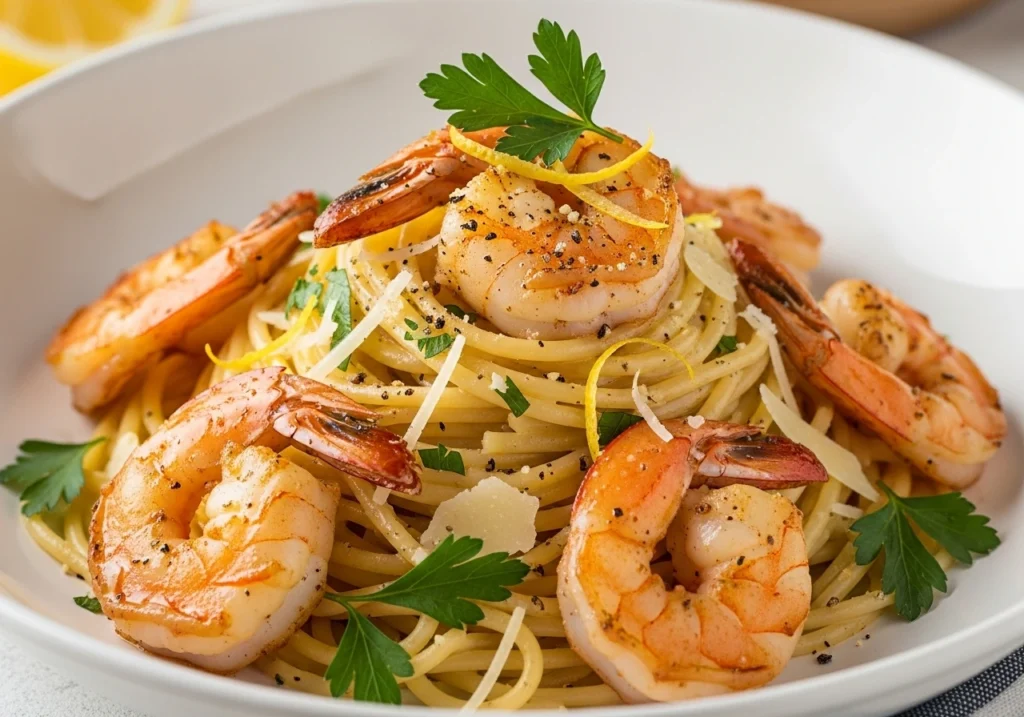
Twirl pasta into loose nests when plating and place shrimp on top. A sprinkle of fresh parsley or a small dusting of lemon zest adds a touch of brightness that makes the dish visually appealing.
Storage and Reheating Tips
Even though this dish is best enjoyed fresh, you can store and reheat it if you happen to have leftovers.
How to Store
Place cooled pasta in an airtight container and store in the fridge. It will keep well for 2–3 days. The shrimp may firm up slightly, but the dish remains delicious.
Reheating Without Drying Out
Reheat the pasta in a skillet over low heat. Add a splash of water or a dab of butter to loosen the sauce and keep the dish creamy. Stir gently to avoid breaking the shrimp.
Microwaving is an option, but be careful — shrimp overheat quickly. If you choose the microwave, heat in short intervals and stir between each burst.
Freezing Recommendations
I don’t recommend freezing this dish. Shrimp can become rubbery after thawing, and the butter sauce may separate. For best results, make it fresh and enjoy the leftovers within a few days.
Frequently Asked Questions
Can I Use Frozen Shrimp?
Absolutely. Frozen shrimp are often fresher than “fresh” shrimp that sit on ice for days. Just thaw them properly and dry them thoroughly before cooking.
What Pasta Works Best with Garlic Butter Shrimp?
Linguine, spaghetti, and fettuccine are all fantastic choices. They hold sauce well and create the perfect bite.
Can I Make This Recipe Dairy-Free?
Yes. Replace the butter with vegan butter or olive oil and skip the Parmesan. You’ll still get plenty of flavor from the garlic and lemon.
How Do I Prevent Mushy Pasta?
Cook the pasta until al dente and avoid over-soaking it in the sauce. Remember to finish cooking in the sauce for only 1–2 minutes.
Conclusion
This garlic butter shrimp pasta recipe is more than just a quick dinner — it’s a dish you’ll turn to again and again because of its effortless preparation and luxurious flavors. Whether you customize it into garlic butter shrimp noodles, turn it into a creamy version, or keep it classic, the result is always comforting, flavorful, and satisfying.
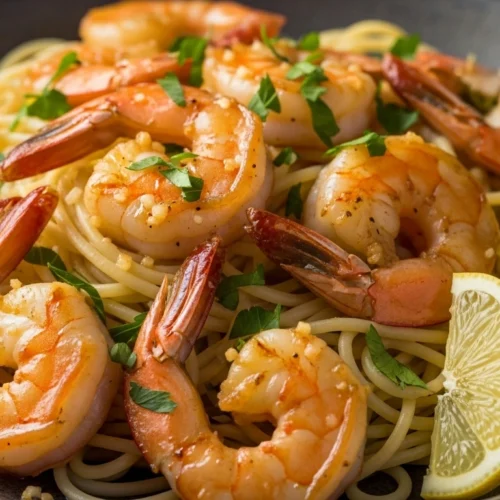
The Only Garlic Butter Shrimp Pasta Recipe You’ll Ever Need
Ingredients
For the Pasta
- 12 oz spaghetti or linguine
- 1 tablespoon salt for the pasta water
For the Shrimp
- 1 pound large shrimp peeled and deveined
- 1 tablespoon olive oil
- 1 tablespoon butter
- 1/2 teaspoon salt
- 1/4 teaspoon black pepper
For the Garlic Butter Sauce
- 3 tablespoons unsalted butter
- 4 –6 garlic cloves minced
- 1/2 teaspoon red pepper flakes optional
- 1/2 lemon juiced
- 1 teaspoon lemon zest
- 1/2 cup reserved pasta water
- 1/4 cup chopped fresh parsley
- 1/3 cup grated Parmesan cheese optional, for serving
Instructions
Prepare the Ingredients
- Pat the shrimp dry with paper towels. Mince the garlic, zest and juice the lemon, and chop the parsley.
Cook the Pasta
- Bring a large pot of salted water to a boil. Cook pasta until al dente according to package instructions. Reserve 1 cup of pasta water, then drain the pasta.
Sear the Shrimp
- Heat a skillet over medium-high heat. Add olive oil and butter. When hot, add shrimp in a single layer and season with salt and pepper. Sear 1–2 minutes per side until pink and opaque. Remove shrimp from pan.
Make the Garlic Butter Sauce
- Lower heat to medium. Add the remaining butter and minced garlic to the skillet. Cook 30–45 seconds until fragrant. Add red pepper flakes, lemon juice, and a splash of pasta water. Stir to create a light sauce.
Combine Pasta and Sauce
- Add the drained pasta to the skillet. Toss with tongs to coat the pasta in the garlic butter sauce. Add more pasta water as needed.
Add the Shrimp
- Return shrimp to the skillet along with lemon zest and parsley. Toss everything together for 1–2 minutes so flavors blend.
Finish and Serve
- Taste and adjust seasoning. Top with Parmesan, extra parsley, or lemon zest. Serve warm.
Notes
- Use fresh garlic for best flavor—jarred garlic won’t deliver the same quality.
- Don’t overcook the shrimp; they turn rubbery quickly.
- To make it creamy, add 1/4 cup heavy cream or a spoonful of cream cheese.
- For gluten-free, use gluten-free spaghetti or rice noodles.
- For a spicy version, increase the red pepper flakes or add a pinch of cayenne.
- Keto version: replace pasta with zucchini noodles or shirataki noodles.
- Pasta water is essential—don’t skip it; it creates a silky sauce.
Review Our Recipe: Your Feedback Makes a Difference
There are no reviews yet. Be the first one to write one.