
Best Chicken Biryani Recipe Ever
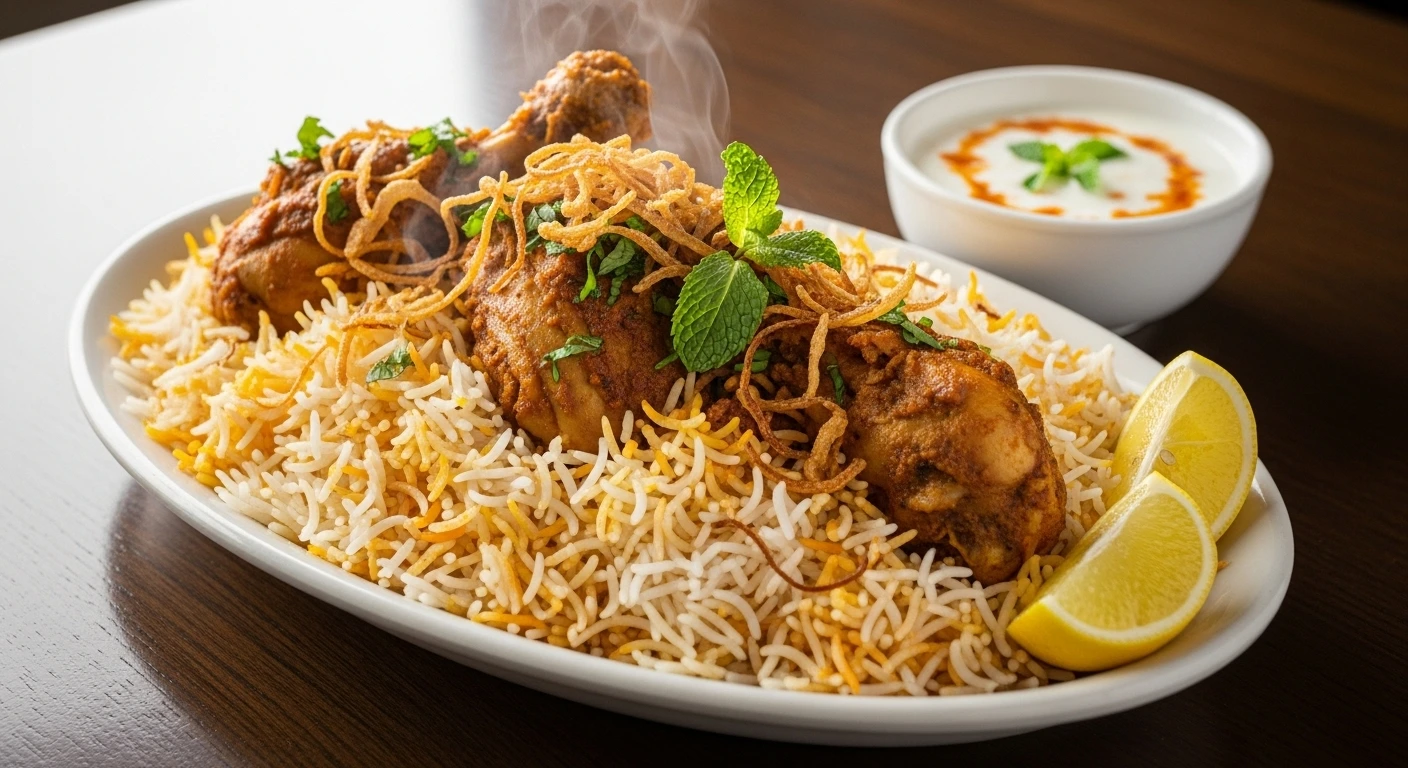
Welcome — you’re about to learn a chicken biryani recipe that’s built to impress. If you’ve ever ordered biryani and thought, “I want this at home,” you’re in the right place. This article is written to walk you through everything, step by step, from the history and why certain ingredients matter, to the exact techniques that deliver fluffy basmati rice, deeply marinated chicken, and aromatic layers that sing together. No fluff, just practical, tasty, and reliable advice — written conversationally so you actually enjoy reading and cooking.
Table of Contents
What Is Chicken Biryani?
Let’s get the basics out of the way. A chicken biryani recipe is a layered rice-and-meat dish where long-grain basmati rice and seasoned chicken are cooked together (or assembled and slow-cooked) to create aromatic, separate grains and tender, flavorful meat. It’s not just rice with chicken — it’s an idea: contrast — fragrant rice, richly spiced meat, and textural highlights like fried onions and herbs.
The Origins of Biryani
Where did biryani come from? The dish traces its roots to the Persian pilaf and arrived in the Indian subcontinent through Mughal and regional cultural exchange. Over time, local cooks in Hyderabad, Lucknow (Awadhi cuisine), and other regions created distinct styles. Hyderabad’s version is famous for its dum (slow-cook sealed pot) method and bold spices; Lucknow’s (Awadhi) biryani is often subtler and refined. And then there are restaurant-style variations like Bawarchi biryani, which is known in some circles for its rich, restaurant-level flavor profile and use of deeper frying, longer marination, and a signature aroma.
Different Styles of Chicken Biryani
- Hyderabadi Chicken Biryani: Strong spice profile, often cooked with a dum method; juicy, layered, and fragrant.
- Lucknowi (Awadhi) Biryani: Gentle spices, emphasis on balanced flavor; often uses a separate cooking technique for rice and meat before layering.
- Bawarchi Biryani: Think restaurant-style — pronounced flavors, extra fried onions, sometimes saffron and ghee in abundance.
- One-pot or quick biryani: For weeknights — simpler, often adapted to pressure cookers or Dutch ovens.
Why does this matter? Because your method (dum slow-cook vs. one-pot) influences the steps and small decisions you make. This recipe aims to combine the best techniques — reliable marination, perfect parboil of basmati rice, and dum cooking for authentic aroma — while being practical for home cooks.
Ingredients You’ll Need for the Best Chicken Biryani Recipe
Below is a clean, organized ingredients table and a tools table so you can gather everything before you begin. Using the right ingredients — especially good basmati rice, saffron, and ghee — makes a huge difference.
Ingredients (serves 4–6)
| Ingredient | Quantity | Notes / Purpose |
|---|---|---|
| Basmati rice | 3 cups | Long-grain, aged basmati for fluffy separate grains |
| Chicken (bone-in thighs preferred) | 1.5–2 kg (3–4 lb) | Thighs or a mix of thighs and drumsticks for flavor and tender meat |
| Yogurt | 1 cup | Acidic base for marinade; tenderizes and adds creaminess |
| Onion | 3 large | Thinly sliced and fried until golden — key for texture and sweetness |
| Ginger-garlic paste | 3 tbsp | Freshly made if possible |
| Tomatoes | 2 medium | Optional — some variants use tomatoes for body |
| Fresh coriander (cilantro) | 1 cup, chopped | Layering and garnish |
| Fresh mint | 1 cup, chopped | Signature herb in biryani |
| Saffron | a generous pinch | Soaked in warm milk for aroma and color |
| Milk | 1/4 cup warm | For saffron infusion |
| Ghee (clarified butter) | 3–4 tbsp | Provides aroma and richness |
| Cooking oil | 3–4 tbsp | For frying onions and initial cooking |
| Lemon juice | 2 tbsp | Brightness in marinade |
| Fried onions (birista) | 1 cup | Use both inside and for garnish |
| Salt | to taste | Essential |
| Water | As needed for boiling rice | Use hot water to parboil rice |
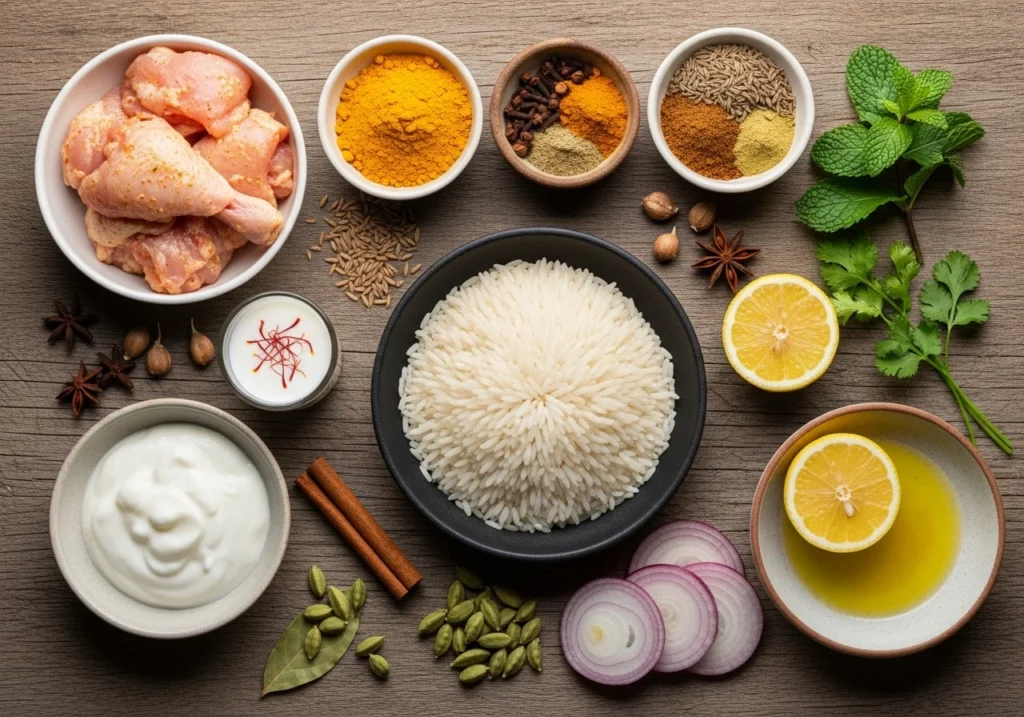
Whole spices for rice and marinade
| Spice | Quantity |
|---|---|
| Green cardamom pods | 6–8 |
| Cloves | 6–8 |
| Cinnamon stick | 2 pieces |
| Bay leaves | 2–3 |
| Black peppercorns | 10–12 |
| Mace | small piece (optional) |
| Star anise | 1–2 (optional) |
Ground spices for marinade
- Garam masala — 1½ tsp
- Turmeric — 1 tsp
- Red chili powder (or Kashmiri chili for color) — 1–2 tsp
- Coriander powder — 1 tbsp
- Cumin powder — 1 tsp
(Adjust chili to taste. These LSI elements — garam masala, saffron, ghee, fried onions — are critical signals for any search engine looking for a chicken biryani recipe.)
Kitchen Tools You’ll Need
| Tool | Why it helps |
|---|---|
| Heavy-bottomed pot or Dutch oven with tight-fitting lid | For layering and dum (slow cooking) — keeps heat even |
| Large pot for parboiling rice | Separates starch and prevents overcooking rice |
| Frying pan / skillet | For frying onions and initial chicken sear |
| Mixing bowls | For marinating chicken |
| Fine mesh strainer | For rinsing rice |
| Wooden spoon or spatula | For gentle mixing and layering |
| Measuring cups and spoons | For consistent seasoning |
Preparing the Chicken Marinade
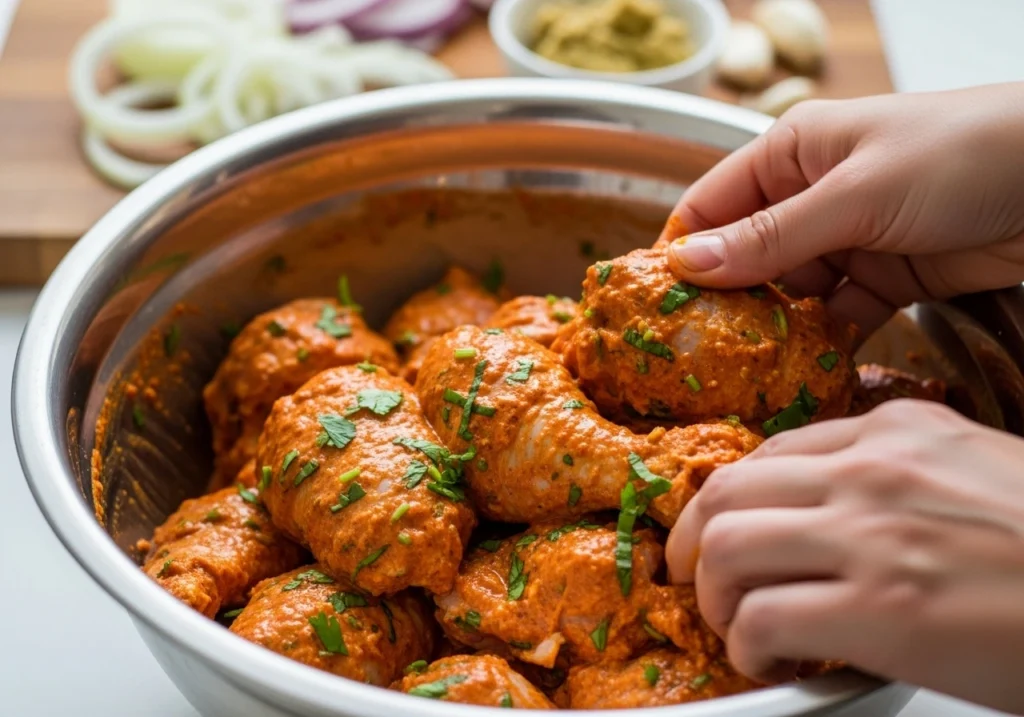
Why marination matters: marination does two jobs. First, it tenderizes the chicken with yogurt and acid (lemon juice). Second, it lets spices infuse deep into the meat so every bite tastes cohesive. Skip a proper marinade and your biryani becomes flat and uneven.
Step-by-step marination guide
- Clean and score the chicken: Rinse and pat dry. Score the thicker parts of the thighs so the marinade penetrates.
- Make the marinade: In a large bowl combine yogurt, ginger-garlic paste, turmeric, chili powder, coriander powder, cumin powder, garam masala, lemon juice, salt, and some chopped cilantro and mint. Add 2 tbsp ghee or oil to help fat-soluble flavors bloom.
- Coat the chicken thoroughly: Rub the marinade into and under the skin where possible. Make sure all pieces are well coated.
- Rest: Marinate at least 2 hours in the fridge; overnight is best. Longer marination deepens flavor, especially for bone-in pieces.
Pro tips for flavorful marinated chicken
- Use full-fat yogurt — it gives a creamier texture and better mouthfeel.
- If you want Bawarchi-style depth: add a pinch of sugar and a small splash of rose or kewra water (optional). These are often used in restaurant biryanis for aroma.
- Fry the marinated chicken briefly in a hot skillet before layering if you prefer a slightly caramelized exterior. This is common in many restaurant-style biryanis.
Cooking the Perfect Basmati Rice for Biryani
If the rice is mushy or sticky, the whole biryani suffers. The secret: rinse, soak, and parboil (half-cook) the rice so the final dum cooking finishes it perfectly.
Choosing the right rice
Use aged basmati rice whenever possible. The grains are longer, less starchy, and yield separate, fluffy results. Fresh basmati sometimes sticks more; rinsing and soaking mitigate that, but aged basmati is ideal.
Parboiling rice — the method
- Rinse the rice under cold water until the water runs clear. This removes surface starch.
- Soak the rice for 20–30 minutes — this reduces cooking time and prevents breakage.
- Boil a large pot of water with whole spices (cardamom, cloves, cinnamon, bay leaf) and salt.
- Add rice and cook until it’s about 70% done — grains should be partly cooked but still firm in the center (al dente). Test by chewing a grain.
- Drain the rice immediately and spread on a tray to stop cooking. Sprinkle some saffron milk over a portion to layer color and aroma.
Adding saffron milk for aroma and color
Soak saffron strands in 1/4 cup warm milk for at least 10 minutes. The milk extracts color and fragrance. When you layer rice, drizzle saffron milk in the top layers. This yields those signature golden streaks and a gentle aroma without overpowering the spices.
Layering and Cooking the Biryani
Layering is what makes biryani unique compared to other rice dishes. It’s not just tossing everything in one pot — it’s a deliberate construction of flavors, aromas, and textures. Each layer adds something distinct, and together they form that unforgettable biryani magic.
How to Layer Chicken and Rice
- Base Layer – Chicken:
Grease your heavy-bottomed pot with ghee or oil. Spread the marinated chicken evenly at the bottom. If you seared your chicken lightly beforehand (optional), add it here with any juices left in the pan. - Second Layer – Rice:
Add half of your parboiled basmati rice over the chicken. Don’t press down — just spread gently with a spoon to keep the grains fluffy. - Add Fried Onions and Herbs:
Sprinkle half of your fried onions, chopped mint, and cilantro on top of the rice. These add bursts of aroma and sweetness. - Saffron Milk and Ghee:
Drizzle half of the saffron-infused milk and a spoonful of ghee. The fat carries flavor upward during steaming, infusing the whole biryani. - Repeat:
Layer the rest of the rice, followed by the remaining onions, herbs, saffron milk, and ghee. Finish with a few fried onions for presentation.
This layering technique is used in both traditional and Bawarchi biryani styles — it gives the dish that famous top-to-bottom flavor gradient.
Dum Cooking Method (Slow Cooking)
The dum technique means sealing and cooking slowly so steam builds inside and gently finishes the dish without drying it out. That’s what separates a real biryani recipe from an ordinary chicken and rice meal.
Here’s how to get it right:
- Seal the pot:
Cover the pot with a tight-fitting lid. To trap steam, you can seal the edges with dough (atta) or even use a clean kitchen towel between the lid and the pot. - Cook on low heat:
- First 5–7 minutes on medium-high heat (to create steam).
- Then reduce to very low and cook for 25–30 minutes.
The rice will finish cooking in its own trapped steam while the chicken releases juices that season everything.
- Rest before opening:
After turning off the heat, let the pot rest sealed for another 10 minutes. This resting period ensures all layers absorb moisture evenly. - Gently mix before serving:
Use a spatula or flat spoon to lift and turn the biryani gently from the sides. Don’t overmix — the goal is to keep the rice grains distinct and the layers somewhat intact.
The Final Fluff and Serve
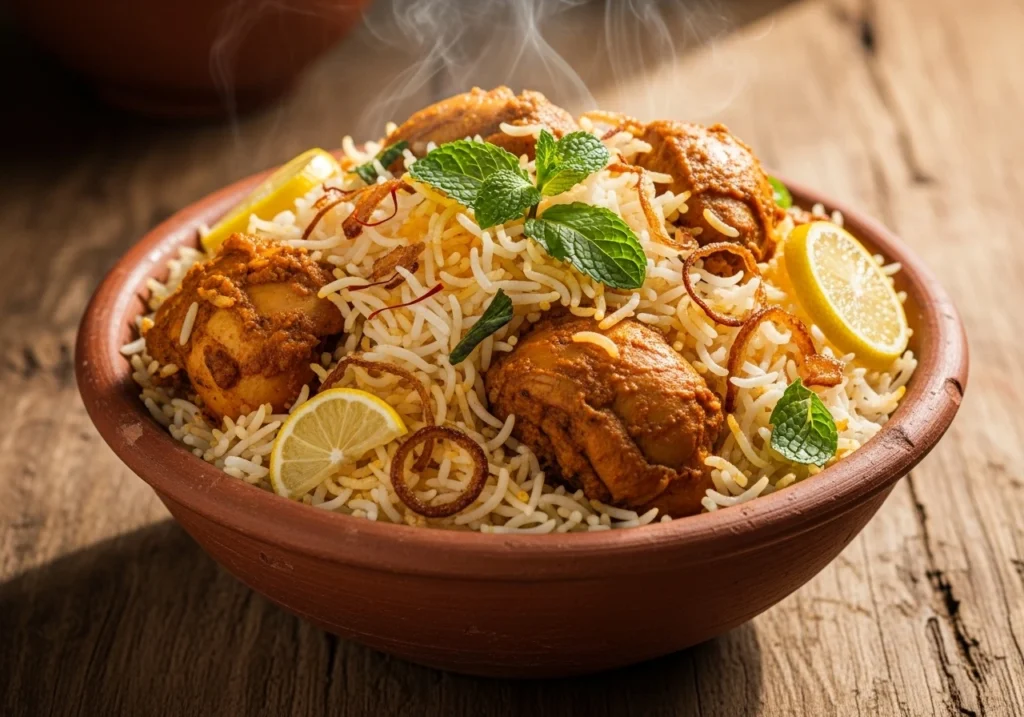
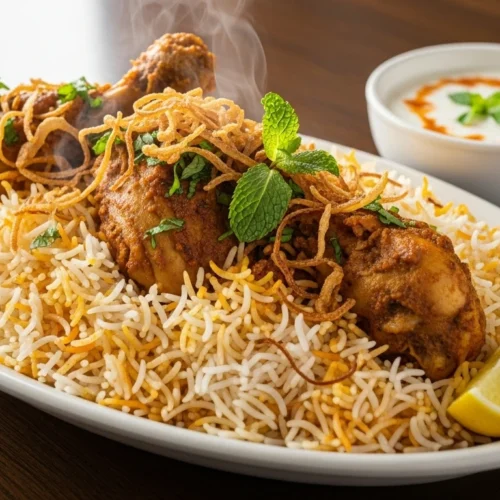
Once opened, you’ll immediately get hit with a wave of fragrant steam — saffron, ghee, cardamom, and tender chicken aromas mingling perfectly. Lightly fluff the top layers to blend the color and aroma just enough without crushing the rice.
At this stage, you can garnish with extra fried onions, mint leaves, and lemon wedges. A few toasted cashews or raisins are optional but add a luxurious touch reminiscent of festive Indian feasts.
Bawarchi Biryani vs. Traditional Chicken Biryani
You’ve probably seen Bawarchi biryani listed on restaurant menus and wondered what makes it different. Let’s break it down briefly — this will help you understand the flavor notes you can play with.
What Makes Bawarchi Biryani Unique
Bawarchi simply means “chef” or “cook” in Hindi and Urdu, but the style often refers to restaurant-inspired biryani that’s rich, aromatic, and visually stunning. The key differences:
- A stronger spice profile (more garam masala, chili, and black pepper).
- A longer marination period — sometimes up to 24 hours.
- Extra fried onions and ghee for a glossy finish.
- A touch of rose water or kewra essence for a distinctive fragrance.
Comparing Flavor and Texture
While traditional home-style chicken biryani is lighter and balanced, Bawarchi-style biryani leans indulgent — slightly oilier, deeper in color, and more restaurant-like in flavor intensity. Both are delicious; it’s all about your personal preference.
Try Both Styles at Home
The beauty of biryani lies in its adaptability. Once you’ve mastered this base method, tweak spice levels, marination time, or garnish style to create your signature version — your own “house biryani.”
Serving Suggestions for Chicken Biryani
Great biryani deserves thoughtful sides. The contrast of hot, spicy biryani with cool, tangy accompaniments balances the meal beautifully.
Perfect Side Dishes
- Raita: Yogurt mixed with diced cucumber, onions, mint, and salt. It cools down the spice and adds freshness.
- Kachumber salad: A mix of chopped tomatoes, cucumbers, onions, and cilantro with lemon juice.
- Boiled eggs: Halved and placed on top for a restaurant-style presentation.
Garnishing Ideas
Fresh herbs bring life to the dish. Sprinkle extra chopped mint and cilantro before serving. Fried onions add crunch and depth, while lemon wedges provide brightness.
Beverage Pairings
Skip alcoholic drinks and pair your biryani with traditional options:
- Sweet lassi: A cool yogurt-based drink with sugar and a pinch of cardamom.
- Masala chai: Spiced tea balances the richness of biryani perfectly.
- Lemon soda or fruit punch: Refreshing choices for summer days.
Storage and Reheating Tips
You made a huge pot — and honestly, biryani tastes even better the next day. Here’s how to keep it fresh and flavorful.
How to Store Leftover Biryani
- Cool it completely before storing.
- Transfer into airtight containers — individual portions are best.
- Refrigerate for up to 3 days safely.
Reheating Without Drying Out
The trick is moisture. Add 1–2 tablespoons of water or a teaspoon of ghee to the container before reheating. Warm it in a covered pan on low heat or microwave in short bursts. The steam will restore texture and aroma.
Freezing for Later
Biryani freezes surprisingly well. Store in airtight freezer-safe containers for up to a month. To reheat, thaw overnight in the fridge and follow the same steaming method to revive the flavors.
Troubleshooting Common Biryani Mistakes
Even experienced cooks can slip up on biryani — here are quick fixes:
- Rice turned mushy? You overcooked it before layering. Next time, boil only until 70% done.
- Dry biryani? Not enough liquid or steam — make sure the pot seals tightly and reduce heat during dum cooking.
- Flavorless chicken? Marinate longer or increase spice quantity slightly. Bone-in pieces hold flavor better.
- Rice burned at the bottom? Too much heat or too little ghee. Always use a thick pot and lowest flame for dum.
Think of biryani as a symphony — each part must play at the right time and volume. Too much or too little of any element, and the harmony fades.
Conclusion
There it is — the Best Chicken Biryani Recipe Ever, crafted with patience, love, and a touch of kitchen science. You’ve learned not only how to cook a biryani but also why each step matters — from marination and layering to dum cooking and garnish.
Whether you go for a simple home-style biryani recipe or a more indulgent Bawarchi biryani inspired by restaurant kitchens, the essence is the same: harmony of spices, aroma, and texture.
So, the next time you crave something extraordinary, skip the takeout. Your stovetop can deliver a biryani that rivals the best restaurants — and you’ll know every grain of rice carries your personal touch.
Serve it warm, with a side of raita and a smile — because a good biryani doesn’t just feed hunger; it feeds memories.
Best Chicken Biryani Recipe Ever
Ingredients
For the Chicken and Marinade:
- 2 pounds 900g chicken, bone-in thighs or drumsticks, washed and scored
- 1 cup full-fat yogurt
- 3 tablespoons ginger-garlic paste
- 1 teaspoon turmeric powder
- 1 –2 teaspoons red chili powder adjust to taste
- 1 tablespoon coriander powder
- 1 teaspoon cumin powder
- 1½ teaspoons garam masala
- 2 tablespoons lemon juice
- Salt to taste
- 2 tablespoons ghee or cooking oil
For the Rice and Aromatics:
- 3 cups basmati rice rinsed and soaked for 20–30 minutes
- 3 large onions thinly sliced and fried until golden brown
- 2 medium tomatoes optional, adds richness
- 1 cup fresh mint leaves chopped
- 1 cup fresh cilantro coriander leaves, chopped
- ¼ cup warm milk
- A pinch of saffron strands soaked in warm milk for 10–15 minutes
- Whole Spices for Flavor:
- 6 –8 green cardamom pods
- 6 –8 cloves
- 2 cinnamon sticks
- 2 bay leaves
- 10 –12 black peppercorns
- 1 small piece of mace
- 1 –2 star anise optional
Other Ingredients:
- 3 tablespoons ghee for layering and flavor
- 3 tablespoons cooking oil for frying onions and chicken
- Water as needed for boiling rice
Instructions
Prepare the Chicken Marinade:
- In a large bowl, mix yogurt, ginger-garlic paste, turmeric, chili, coriander, cumin, garam masala, salt, lemon juice, and a bit of ghee. Add chicken pieces and coat thoroughly. Cover and marinate for at least 2 hours, or overnight for deeper flavor.
Fry the Onions:
- Heat oil and fry thinly sliced onions until golden brown. Drain and set aside. These fried onions (birista) add sweetness and crunch.
Parboil the Rice:
- Rinse and soak basmati rice for 20–30 minutes. Boil water with whole spices and salt, then cook rice until 70% done. Drain and set aside.
Prepare Saffron Milk:
- Soak saffron strands in ¼ cup warm milk for 10–15 minutes. Set aside for layering.
Layer the Biryani:
- In a heavy-bottomed pot or Dutch oven, grease with ghee. Spread marinated chicken at the bottom, then half the rice. Add half the fried onions, mint, cilantro, saffron milk, and ghee. Repeat the layers.
Dum Cooking (Steam Method):
- Cover tightly with a lid or dough seal. Cook on medium-high heat for 5–7 minutes, then reduce to low and steam for 25–30 minutes. Turn off heat and rest for 10 minutes before opening.
Fluff and Serve:
- Gently mix layers without breaking rice. Garnish with fried onions, mint, and lemon wedges. Serve hot with raita or salad.
Notes
- Use aged basmati rice for the best texture.
- Longer marination yields deeper flavor.
- If using boneless chicken, reduce dum time slightly.
- Add a splash of rose or kewra water for Bawarchi biryani aroma.
Review Our Recipe: Your Feedback Makes a Difference
There are no reviews yet. Be the first one to write one.